
Laminated nylon Azin Plast Company
Any type of coating process on different surfaces is called lamination.
In fact, nylon lamination is a protective coating layer that can be used on all kinds of fabric and nylon bags.
This coating is attached to the desired bag or sack by sewing or pressing, and laminated nylon is produced. These nylons are used in packaging in various food, pharmaceutical, petrochemical, health and cosmetic industries.
Laminated nylon is also known as a moisture-proof sack or bag.
In this article, we will examine the types of laminated nylon, their features and applications. For more information in this field, it is recommended that you stay with us until the end of the article
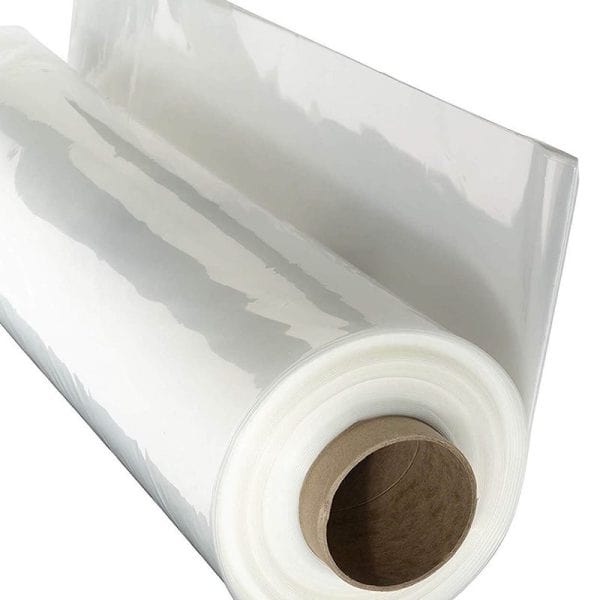
What is laminated nylon?
Laminated nylon refers to types of sacks and bags that are covered with a laminate layer from the inside.
The laminate layer prevents moisture and any type of dust from penetrating into the sack.
These laminates have different thicknesses, the number of which is measured in microns.
The lower this number, the thinner the laminate in question, and fine laminates are also called cellophane.
The main constituent elements of laminated layers are polyethylene and polypropylene.
Laminate layers are also used to produce jumbo bags.
In this way, the laminated surface is placed inside the sack to prevent water and liquids from penetrating into the sack.
Therefore, by purchasing laminated nylon, you can package all kinds of products with complete confidence.Features of laminated nylon
These nylons are waterproof and consist of two outer and inner layers.
The inner layer is made of laminate and the outer layer is made of chemical polymers.
The following are some of the salient features of laminated nylon types:
Having a smooth and polished surface with the possibility of printing on them
Having high tensile and compressive strength
Having a variety of colors, dimensions and thickness
Preventing the creation of unpleasant odors in the space inside the product packaging
Has high resistance to ultraviolet radiation
Possibility of cold and hot cutting of nylon
Resistant to tearing and high heat
Affordable price of laminated nylon
High flexibility and durability against various external and internal forces
Types of laminated nylon
Lamination nylon is classified into two types: cold lamination and hot lamination, according to its characteristics and properties.Below is a brief explanation of each type of laminate.
Cold Laminate
Cold laminated nylon is made of soft and thin material and is offered to the consumer market in various forms such as orange, leather-like cold, etc.
Cold laminated rolls can be produced in widths of 91 and 106 centimeters and with thicknesses of 60, 80 and 95 microns.
Due to their special design, these nylons are more elegant and beautiful, and in terms of production cost, purchasing cold laminated nylon is not cost-effective, as a result, its final price for the customer is high.
Hot laminated nylon
These nylons can be produced in two ways: matte or glossy. Hot lamination rolls are available in widths of 104 and 155 cm and
thicknesses of 75, 125 and 150 microns.
Hot lamination nylon is used in large-format jobs.This type of lamination is more common than cold lamination, as the laminate
coating is applied to the desired surface by heating.
Buying hot laminated nylon is more convenient and affordable than cold.
Price of laminated nylon
The price of laminated nylon is affected by several factors.
The most important factors affecting the price of these nylons include the following:
The thickness of the laminated nylon
The percentage of its waterproofness
Its maximum resistance to sunlight
The reputation and brand of the manufacturing company
The quality of the polymer materials that make up the laminated surfaces
Price of laminated nylon: Effective factors and purchasing tips
Laminated nylon is one of the most widely used types of packaging in various industries, including food, pharmaceutical,
agricultural and industrial.This type of nylon has become an ideal option for protecting products due to its unique properties such
as resistance to moisture, light, and dust.
However, the price of laminated nylon is affected by several factors, which we will examine in this article.
What is laminated nylon?
Nylon laminate is a type of multilayer plastic film produced by pressing different layers such as nylon, polyethylene, aluminum or polyester.
These layers increase the strength and durability of nylon and make it suitable for packaging sensitive products.
Nylon laminate is divided into two main types: cold laminate and hot laminate:
Cold laminate nylon: thinner, softer and with a more beautiful appearance, but more expensive.
Hot laminate nylon: more resistant, in two types: glossy and matte, suitable for packaging larger products.
Factors affecting the price of nylon laminate
The price of nylon laminate depends on various factors, the most important of which are mentioned below:
1. Type and number of layers
Nylon laminate is produced in two to six layers. The more layers, the higher the strength and quality of the nylon, and as a result, its price increases.For example, five-layer laminated nylon, which includes layers of polyethylene, aluminum, and polyester, is suitable for packaging fresh food and is more expensive than two-layer nylon.
2. Thickness of the nylon
The thickness of this nylon, measured in microns (usually between 60 and 300 microns), has a direct impact on the price.
Thicker nylons are more resistant and are used for heavy-duty applications such as packaging agricultural or industrial products.
3. Dimensions and width of nylon
This nylon is produced in various widths (from 25 cm to 2.2 m).
Wider nylons, which are used to cover larger spaces or package bulky products, are more expensive.
4. Raw Materials
Fluctuations in the price of raw materials such as polyethylene and aluminum due to changes in exchange rates have a significant impact on the price of this nylon.This causes prices to change daily.
5. Customization
The ability to customize this nylon (such as printing a design, color, or adding features such as UV protection) also affects the final cost.
Printed or colored nylons are usually more expensive.
6. Order quantity
Bulk purchases of this nylon are usually accompanied by discounts. For small orders, the production cost per unit will be higher.
Applications of laminated nylon
Laminated nylon is used in various industries due to its protective properties:
Food industries: packaging tea, coffee, snacks, dairy and protein products.
Pharmaceutical industries: packaging drugs to prevent moisture penetration.
Agricultural industries: protecting products from environmental factors.
Petrochemical and health industries: packaging light and moisture-sensitive materials.Important tips when buying laminated nylon
Choosing a reputable manufacturer: To buy this quality nylon, go to reputable companies such as Azin Plast, which offer quality
products and after-sales service.
Specifying needs: Before buying, specify the required features such as thickness, width and type of laminate (cold or hot).
Daily price inquiry: Due to fluctuations in the price of raw materials, be sure to inquire about the daily price from the
manufacturer.
Portfolio review: Check the manufacturer’s product samples to ensure the quality of the nylon.
Laminated nylon price in 1404
Due to market fluctuations and exchange rates, it is not possible to provide a fixed price for this nylon. Based on available
information, prices are determined daily and for accurate information about the price of this nylon, you should contact the
manufacturers.On average, the cost of this nylon can vary from a few thousand to several tens of thousands of tomans per meter,
depending on the type, thickness, and number of layers.
Why is laminated nylon an economical choice?
Although this cold nylon may be more expensive, the durability and high resistance of this nylon to environmental factors have
made it an economical option for long-term packaging. These nylons increase the shelf life of products by preventing the
penetration of moisture and light and prevent possible losses.
Uses of laminated nylon
This nylon is used in various sizes to package agricultural products such as rice, tea, corn, various dried fruits, fruits, and
vegetables.
Laminated sacks are also used in the packaging of chemical fertilizers and other petrochemical products.These nylons are also
widely used in geotechnical engineering for road construction, railways, mines and construction.
Laminated sacks are used in the construction of awnings, travel tents and temporary shelters.
These sacks are also used as barriers to flowing water in dams, beaches, rivers and other places.
Buying Laminated Nylon
To buy this nylon, it is necessary to pay attention to a number of basic, essential and important points. These points are:
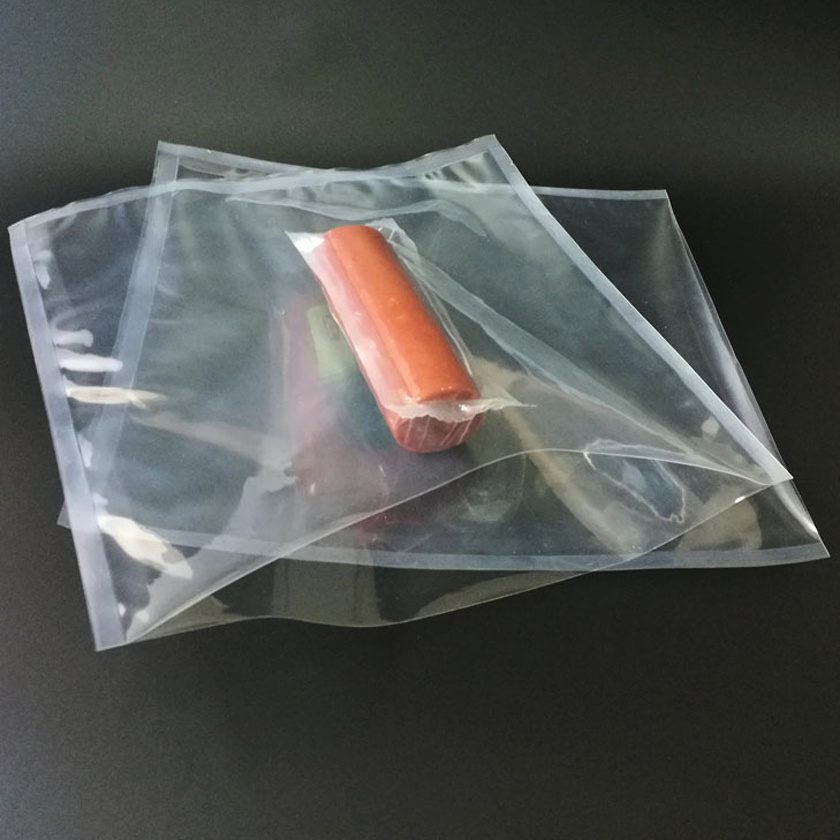
Considering the type of product that is to be packaged with nylon.
Quality of laminated nylon
Thickness and dimensions of the desired nylon
Type of lamination
Percentage of gloss and transparency of laminated nylon
Conclusion
Laminated nylon refers to double-walled bags whose inner layer includes a protective coating layer.
These nylons can be produced in two forms: cold and hot.
Types of this nylon are used in the packaging of special products to prevent the penetration of moisture, water and sunlight.
The price of these nylons is affected by many internal and external factors.
To purchase laminated nylon, you can refer to reputable sales centers and authorized representatives of manufacturing companies
Leave a Reply