Agricultural nylon
This nylon is another product produced by Azin Plast Company in Mashhad.
These products can be used in all matters related to agriculture. The use of this nylon in various sectors of agriculture has a history of 20 years.
Agricultural plastic has also played an important role in saving water consumption and optimizing it.
By using this nylon in the agricultural sector, it is possible to achieve maximum productivity of products.
These nylons have different types and different applications; therefore, the price of agricultural nylon depends on various factors.
In this article from Azin Plast Kimia, we will fully examine the types of agricultural nylon. Stay with us.
Agricultural nylon, which is also called agricultural plastic,
plays an important role in the agricultural industry.
By purchasing agricultural nylon, you are able to achieve the highest level of productivity of your products.The price of This nylon per kilo and roll depends on the thickness and dimensions, as well as the order quantity.
Obviously, as the order quantity increases, the final price becomes more affordable.
Agricultural nylon production
This nylon is one of the most important plastic products that is widely used in the agricultural sector.
This is nylon production consists of several stages:
Raw material preparation: The required raw materials include crude oil, natural gas, and coal, which are used to produce monomers such as ethylene and propylene.
Polymerization: In this stage, the produced monomers react with each other and form long polymer chains.
Shaping: The produced polymer is melted and, after passing through special dies, is formed into sheets, films, fibers, etc.
Cutting and packaging: The final product is cut and packaged to be ready for use in the agricultural sector.By adhering to the
required standards, agricultural nylon provides a durable, flexible and cost-effective product for greenhouse applications, irrigation
and other agricultural needs.
Agricultural Plastic Price
The type and model of aThis nylon, the thickness and dimensions desired by the customer, nylon additives and the like all affect the price of agricultural plastic.
Also, the current exchange rate and raw materials and their quality all directly affect the final price.
To receive a price, please contact the numbers listed on the site
Today, the production and sale of agricultural nylon is of great importance. Agricultural nylon is wide nylon.
Which is widely used in agricultural fields for packaging, protecting and preserving products against cold.
These nylons can easily transmit sunlight to plants due to their transparency.
The material of agricultural nylon is polyethylene. These nylons are produced in one or more layers and are categorized based on their size, thickness and type of application.
These same characteristics are effective in determining the price of agricultural nylon. For example, the price per kilo of agricultural nylon varies depending on its type, thickness and color.
How much is the price of black agricultural nylon?
| Agricultural nylon, width 90, single layer | Every 1 kg | 70 meters | Average price from 66,200 |
|---|---|---|---|
| Agricultural nylon, 100 width, single layer | Every 1 kg | 80 meters | Average price from 66,200 |
| Agricultural nylon, width 110, single layer | Every 1 kg | 70 meters | Average price from 66,200 |
| Agricultural nylon, width 120, single layer | Every 1 kg | 65 meters | Average price from 66,200 |
| Agricultural nylon, width 90, two layers | Every 1 kg | 40 meters to 45 meters | Average price from 66,200 |
Some colors of This nylon have different prices. This price difference is due to their different properties and characteristics.The price of black agricultural nylon is not fixed due to frequent currency changes, and you should contact Azin Plast Kimia Company for information on the price of agricultural nylon.
Uses of agricultural nylon
This nylon has many uses, which we will discuss below:
Using greenhouse nylon for growing mushrooms and agricultural products
Use for packaging fruits and vegetables, including watermelon plastic, for fast and easy transportation
Using these nylons for non-agricultural applications, including construction, pool roof coverings, and warehouses
What are the dimensions of This nylon?
Types of agricultural plastics are usually produced in different widths and thicknesses, depending on the application and customer demand.
Kayhan Plastic supplies agricultural nylons in five layers, with widths of 1 to 20 meters and a thickness of 220 microns.Keyhan
Plastic Company customizes agricultural nylons according to customer needs. The thicker the agricultural nylon, the more resistant
it becomes.
History of the use of wide agricultural nylon in Iran
Population growth and water shortages in all parts of the world prompted producers to use different methods to produce products.
One of these methods was greenhouse production, which was first used by the gardener of the Egyptian king and then expanded
industrially in Europe with the advancement of technology.
Although glass was initially used to maintain temperature and photosynthesis in greenhouses, after the use of this method in the
production of greenhouse fruits and vegetables was welcomed by the public,
the need for these greenhouses was felt more.Therefore, given that using glass increases the cost of setting up a greenhouse and
is also fragile against storms and hail, a better option called nylon was used to replace glass
Agricultural nylons were first used in Iran by the Germans in 1956 and were quickly welcomed by most Iranians,
so that in most residential houses, a part with a glass roof called a greenhouse or patio was created in the house, which was
purely decorative and beautiful.
But gradually, due to the diversity of the climate throughout Iran and the lack of water, there was a greater need for agricultural greenhouses.
Today, with the help of experts in the field of agricultural production, the use of this product has increased with the construction of
large greenhouses due to the necessity of cultivation care in the fields.
What is agricultural nylon made of?
The main material of agricultural nylon, as its name suggests, is nylon, which, of course, is different from ordinary nylon due to the difference in its application.Special additives are used in the raw materials for the production of greenhouse nylons, including the following:
Sunlight or ultraviolet additive (UV-containing greenhouse nylon): UVs are plastic coatings with a certain percentage of polyester,
polyvinyl chloride (P.V.C), polyvinyl fluoride (P.V.F), and polyethylene that absorb harmful ultraviolet (UV) rays and prevent damage
to plants. This additive in agricultural nylons prevents the harmful ultraviolet rays of the sun from reaching plants and fruits, and
produces higher quality products. These nylons are called UV greenhouse nylon (UV-containing nylon).
Infrared additive (IR): This infrared additive is used in nylons to maintain heat inside the greenhouse.Anti-fog additive: When the
product or packaging material is placed in a cold environment, this additive prevents fog and moisture from forming inside the
package, making the product easier to see by the customer.
Antibacterial additive: This additive prevents bacteria from forming inside food packages.
EVA or PVC additive: This additive provides high flexibility and transparency, and is widely used in the plastics industry.
Color masterbatch: Plastics are colored by color masterbatch. Colored greenhouse nylons that do not contain additives are very
beneficial for plants and prevent sunlight radiation. For the use of green greenhouse plastic, green is one of the practical colors of
these nylons because of its association with plants
Features of agricultural nylon
Of course, each product has its own characteristics. A professional farmer and producer always chooses the best characteristics
according to his needs in the type of crop cultivation, so that he can produce products several times a year and multiply his
income.
Some features of agricultural nylons are as follows:
The use of UV-resistant agricultural nylon to protect plants from the harmful rays of the sun for the plant is one of the important
parameters in choosing the type of plastic.
These nylons are very resistant and are produced in various thicknesses from 30 to 600 microns.
The width of agricultural plastic can be varied and produced from 20 centimeters to 10 meters, and even wide nylon can be used
to cover trees (such as pine trees) in cold weather.Using agricultural nylon for greenhouses is more common than building glass
greenhouses, because it is less expensive and easier to install and operate.
Agricultural plastics are produced in different layers depending on the application and the plant for which it is used, which can be
produced from single-layer nylon to three-layer nylon.
Agricultural nylon can be produced in different colors depending on the light conditions of the product and its geographical
environment. Today, green, white, gray and black colors are used more than other colors in this industry.
Introduction to types of agricultural nylon
After experiencing the use of nylon in greenhouses, consumers of this product realized that they could also use it on the ground and soil.
Agricultural nylons have different types according to their application and needs and are categorized as follows.Wide Agricultural Nylon
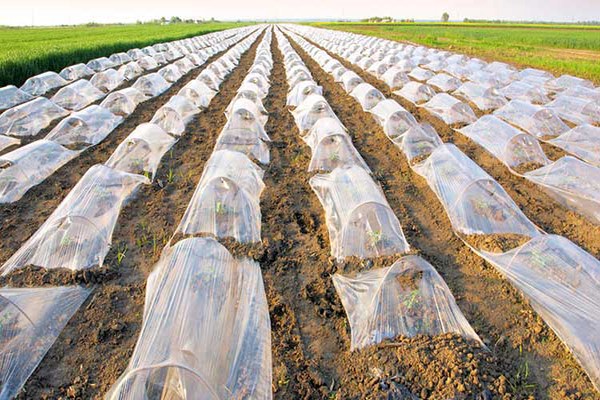
Agricultural nylon mulch is a type of agricultural nylon that is used to cover or dress the soil surface and has many applications, including in the production of vegetables and newly planted seedlings
Here are some of the uses of nylon mulch:
Protects the soil and improves soil quality.
Prevents the growth of weeds in the soil.
These nylons keep the soil warm and, by maintaining soil moisture, retain water around the roots of the plant.
These nylons are used to prevent frostbite of the crop and improve its quality in winter.
By preventing plant pests, it eliminates high costs for pesticides and herbicides
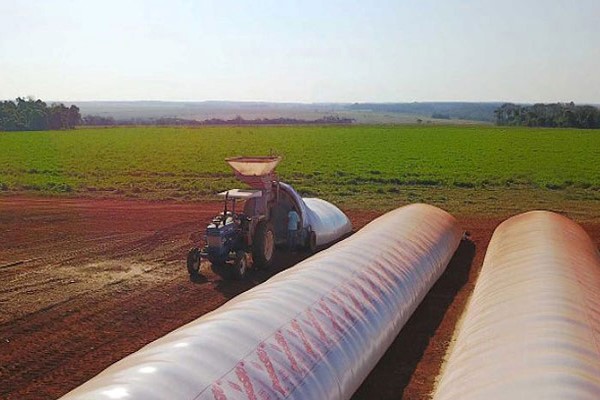
Silo nylon (plastic silo)
Another type of agricultural nylon. Today, plastic silos have been widely used by Iranian farmers and livestock keepers.
These nylons are suitable for storing all kinds of fodder, because they retain their nutritional properties and prevent sunlight from passing into the nylon. Plastic silos are available in black and two colors
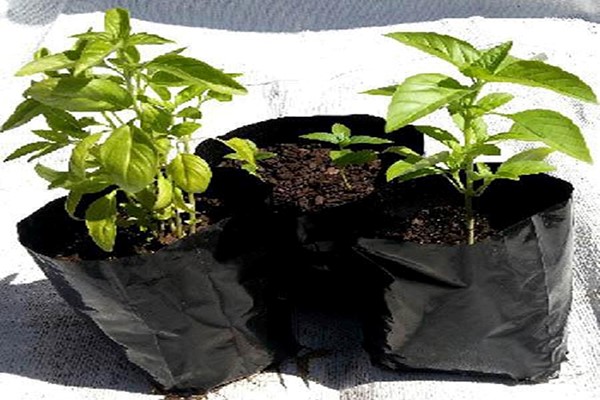
Greenhouse Nylon
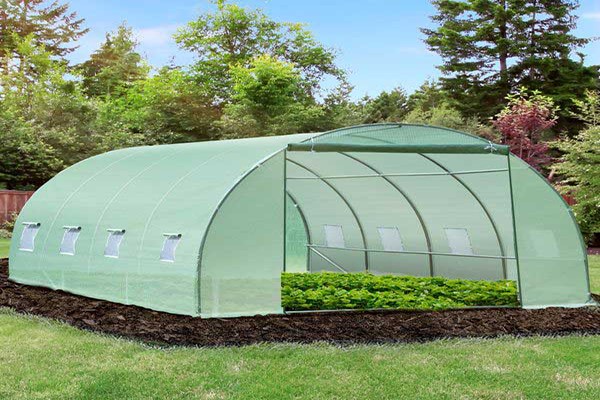
Greenhouse nylon is a type of agricultural nylon that is considered one of the important raw materials in creating a greenhouse. This nylon helps maintain optimal conditions for crop growth.
Greenhouse nylon, as a protective covering, creates a suitable space for plants and crops inside the greenhouse and helps them grow better.
Soil Disinfectant Nylon
These nylons strengthen agricultural soil and are of great importance. Disinfectant nylon disinfects the soil and the environment and protects them.
These nylons have a standard thickness and are resistant to ultraviolet rays and wind, and are also called UV-resistant plastic.Nylon Soil Irrigation
Using this nylon is a smart way to irrigate agricultural crops and plants, as it saves time and money, and a farmer spends less time irrigating his crops
Greenhouse nylon
This nylon is used for easy and fast transportation of various greenhouses such as tomatoes, cabbage, cucumbers, cauliflower, etc.
Agricultural and fisheries pool nylon
It is produced in thickness and with more layers for use in fish production pools or water tanks instead of cement.
Advantages of using agricultural nylon
Agricultural nylons are cost-effective and their quick installation and commissioning have made these nylons extremely popular.
UV agricultural nylon prevents ultraviolet rays from entering the greenhouse and provides excellent conditions for plant and
product growth.
This nylon is antibacterial and prevents pests of agricultural products and plants.
Since these nylons are light and highly flexible, their installation and movement are quick and easy.The cheap and reasonable
price of this type of plastic compared to other similar practical equipment makes it cost-effective to use.
Disadvantages of using agricultural nylon
Before using plastics as agricultural nylon, risks such as wind and storms and the risk of fire should be considered and necessary
measures should be taken to prevent these risks.
These nylons do not decompose in the environment and pose many environmental risks to animals and nature.
Buying agricultural nylon
Leave a Reply