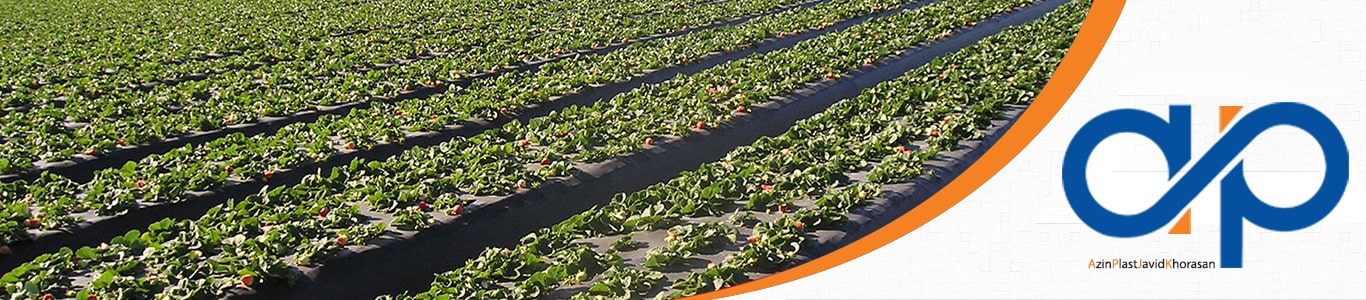
Nylon mulch Azin Plast Company
The agricultural industry is one of the industries that uses plastic nylon a lot, and it is usually used in various sectors such as irrigation, greenhouses, seedling cultivation, etc. Types of plastic nylon are used.
One of the most widely used nylons in this industry is mulch nylon. By protecting the soil, this nylon prevents the loss of soil moisture and the growth of weeds, and helps in the cultivation of crops.
We will further examine this nylon and its features in the rest of the article. Stay with us

What is nylon mulch?
This nylon is a type of covering that is placed on the surface of the ground and protects the soil.
This nylon is made of polyethylene and is also known as agricultural mulch nylon.
This nylon helps to keep the soil warm and retain water around the roots of the crops. Therefore, there will be no need to irrigate the crops more.
Cultivation of crops that is carried out through nylon mulch is called nylon or under-plastic cultivation.
Another feature of this nylon is that it prevents sunlight from reaching the soil and prevents weeds from growing.
As a result, by using this nylon, the quality of the soil is improved and higher quality products reach the consumer
With the advancement of science and technology in the agricultural industry, researchers have made many achievements,
which has resulted in ease of work and increased productivity of products.
Plastic mulch nylon has long been replaced by natural mulch. Farmers have met their needs in the best way by purchasing agricultural mulch nylon.
Due to its many advantages, the price of nylon mulch is considered very affordable.
Types of Nylon Mulch
The important use of this product in the agricultural industry has led to the introduction of various types of this nylon into the market so that farmers can choose one of its types according to the type of crop and the cultivation area. Types of nylon mulch include:
 مالچ پاشی در کشاورزی
Types of Organic Mulch and Inorganic Mulch
Organic Mulch: Organic mulches are made from natural materials and their waste is easily disposed of and does not pose a threat to the environment. This type of mulch includes straw, chopped wood, leaves, dry grass, compost, etc.
Inorganic Mulch: This mulch is a plastic covering that is placed on the soil and plants grow on the pores of the mulch surface. The nylon material of agricultural mulch is polyethylene and has a thickness of about 20 to 70 microns.
Black Mulch: Black mulch plays an important role in weed control because it blocks sunlight and is less expensive than other types.
White Mulch: White mulch is a type of light-reflecting covering that cools the soil bed.
IRT Mulch: This mulch is a combination of two black and transparent samples that can be used to keep the soil warm and prevent weed growth.Transparent mulch nylon: This nylon is used as a sunshade. Light passes through the transparent mulch and warms the soil, thereby destroying bacteria and weeds in the soil bed.
Black and white mulch nylon: This product is a combination of black and white mulch and provides the benefits of both for the product.
In addition to these examples, various additives such as anti-UV can also be used for this nylon model, which adds new features to this nylon.
Benefits of using nylon mulch
Benefits of using nylon mulch have led many farmers to use this nylon to cultivate their crops. These benefits include:
Agricultural mulch nylon prevents the growth of weeds, thus reducing the cost of using pesticides and herbicides.The lack of weed growth and the use of pesticides preserves the health of crops and plants and prevents their disease.
The use of nylon mulch increases the growth rate of crops and their early maturity.
Preserving the soil and improving its quality by covering it with mulch also increases the quality of the crop.
The use of mulch prevents the release of greenhouse gases and prevents damage to the ozone layer.
This nylon greatly reduces the volume of water consumed by preserving moisture and water near the roots.
Using this agricultural nylon also reduces labor hours.
In general, using nylon mulch is very economical and helps preserve natural resources such as water, the environment, and human resources.
Features of nylon mulch
The features of this nylon have created many advantages in its use by farmers.This nylon helps a lot in the cultivation and growth of crops in the agricultural industry. The following are some of the features of nylon mulch:
High flexibility and elasticity
Variety of colors and dimensions
A thickness of about 20 to 70 microns
Possibility of purchasing custom-made nylon
Resistance to external factors
If various additives are used to make this nylon, we can see properties such as anti-UV radiation, anti-fog, infrared absorber, etc
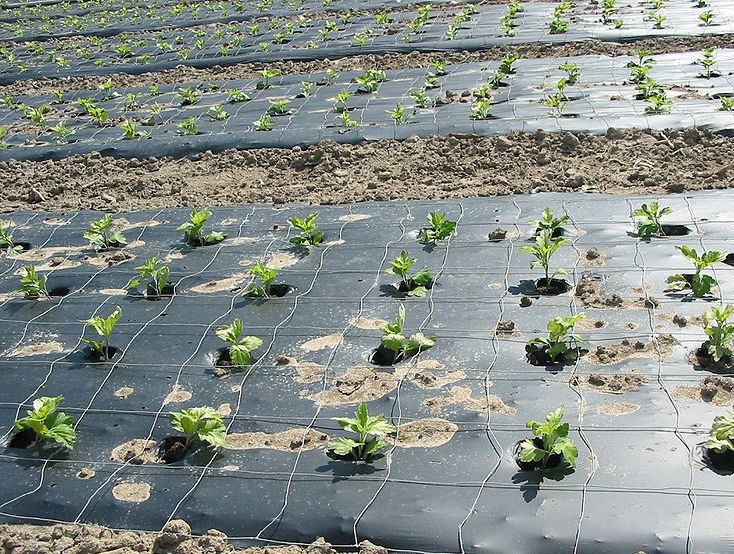 نایلون مالچ کشاورزیMulch nylons are also produced to order. Therefore, you can order this nylon in different types of additives, colors, dimensions, thickness, etc. by identifying your needs.
Agricultural mulch nylon price
Nylon mulch comes to the market in different types, each of which has a different price according to its characteristics. Usually, the larger the dimensions and thickness,
the price of nylon mulch increases. Of course, the color of nylon and its additives should also be considered.
The amount of additives in nylon mulch has a direct relationship with its price. Another important factor in determining the price of nylon mulch is its raw materials.
The higher the quality of the raw materials, the higher the quality of the nylon and its price.It is better to contact the manufacturing companies to buy and find out the price of nylon mulch and choose the best manufacturer by consulting them and conducting the necessary research.
Buying Agricultural Mulch
In this article, you have learned about the use, features, and specifications of nylon agricultural mulch.
Considering the points mentioned, choose the nylon you want and then contact the company numbers.
Our experts will guide you in the best way to buy plastic agricultural mulch.
Another point about buying nylon agricultural mulch is that this plastic mulch nylon is one of the nylons that is very useful for farmers and has been very well received so far,
For this reason, the demand is higher in some months of the year and the price increases instantly.It is better if you are planning to buy this nylon, before this period begins.
Mulching is a fundamental technique in modern agriculture aimed at improving soil conditions, enhancing crop productivity, and reducing farming costs. Mulch film, one of the most widely used materials in mulching, plays a critical role in protecting soil and optimizing plant growth conditions.
Made typically from polyethylene, mulch film is favored by farmers for its durability, flexibility, and ability to control environmental factors such as moisture and weeds.
This article provides a comprehensive exploration of mulching with a focus on mulch film, its types, benefits, drawbacks, and practical tips for optimal use.
1. What is Mulching?
Mulching involves covering the soil surface with materials such as plastic, straw, or organic matter to protect it from environmental factors.
This technique helps reduce water evaporation, control weeds, regulate soil temperature, and improve crop quality.
Mulch film is one of the most common materials used in mulching due to its high durability and versatility in applications.
Types of Mulching Materials
Mulch Film (Plastic Mulch): Polyethylene films available in various colors and thicknesses.
Organic Mulch: Includes straw, dried leaves, and compost.
Mineral Mulch: Such as gravel and sand.
Biodegradable Mulch: A sustainable alternative to reduce environmental impact.
2. Mulch Film in Mulching
Mulch film is a polyethylene film specifically designed for covering soil in mulching applications. These films are produced in various thicknesses, colors, and with additives to meet diverse agricultural needs.
Features of Mulch Film
Thickness: Ranges from 15 to 100 microns, depending on crop type and climate conditions.
Color: Black for weed control, white for light reflection, or dual-colored for specific applications.
Additives: Includes UV-resistant, anti-oxidation, or biodegradable properties.
Width: From 0.5 to 3 meters to suit different planting methods.
3. Benefits of Mulching with Mulch Film
Mulching with mulch film offers numerous advantages for farmers:
Weed Control: Prevents light penetration, significantly reducing weed growth.
Water Conservation: Reduces evaporation, saving 30-50% of water usage.
Soil Temperature Regulation: Keeps soil warmer in cold seasons and cooler in hot seasons.
Increased Productivity: Improves soil conditions, enhancing crop quality and yield.
Reduced Pesticide Use: Minimizes the need for herbicides by controlling weeds.
4. Drawbacks of Mulching with Mulch Film
Despite its benefits, mulching with mulch film has some challenges:
Environmental Impact: Non-biodegradable films can harm the environment.
Initial Cost: Purchasing mulch film may be expensive for small-scale farmers.
Collection and Recycling: Films must be collected and recycled after the growing season.
5. Factors Affecting the Cost of Mulching with Mulch Film
The cost of mulching with mulch film depends on several factors:
Material Quality: Films made from virgin polyethylene are more expensive than recycled materials.
Thickness: Thicker films cost more.
Additives: UV-resistant or biodegradable films have higher prices.
Color and Width: Dual-colored or wider films are pricier.
Order Volume: Bulk purchases are typically more cost-effective.
Sample Costs (2025):
Black mulch film (30 microns, 1-meter width): Approximately $1.5–$2 per kilogram.
Biodegradable mulch film (50 microns): Approximately $2.5–$3 per kilogram.
6. Applications of Mulching with Mulch Film
Mulching with mulch film is used across various crops and conditions:
Vegetable Crops: Such as tomatoes, cucumbers, and peppers to improve growth and reduce weeds.
Fruit Crops: Like strawberries and watermelons to protect roots.
Fruit Trees: To regulate soil moisture and temperature in orchards.
Dryland Farming: To reduce water consumption and increase efficiency.
7. Key Tips for Mulching with Mulch Film
To achieve the best results when mulching with mulch film, consider the following:
Choose the Right Thickness: Thinner films are suitable for annual crops, while thicker films are better for perennials.
Select the Appropriate Color: Black films for weed control, white films for hot climates.
Proper Installation: Ensure the film is tightly stretched over the soil with secured edges.
Use Biodegradable Films: Opt for biodegradable options to minimize environmental impact, especially in sustainable farming.
Conclusion
This nylon is one of the essential nylons in the agricultural industry that helps in better growth of products and improving the quality of the soil.
This nylon comes in various types of colors, dimensions, thickness, additives, etc., each of which has its own characteristics.
It is better to examine your needs before choosing this nylon and, in consultation with the manufacturing companies, purchase the appropriate type.
The price of this nylon depends on various factors, the most important of which is the type of raw materials. Therefore, pay attention to the raw materials of nylon when buying
Leave a Reply